Maggie from Washington, D.C., heard a college friend from Eastern North Carolina and later a veterinarian referring to the panting of a dog as hassling. In the 19th century, the verb hussle was used in Southeast England to mean “wheeze or breathe...


Maggie from Washington, D.C., heard a college friend from Eastern North Carolina and later a veterinarian referring to the panting of a dog as hassling. In the 19th century, the verb hussle was used in Southeast England to mean “wheeze or breathe...

Megan from Savannah, Georgia, is curious about a phrase her father used: down cellar behind the axe, a phrase whose meaning she never quite understood. Down cellar, meaning “down in the cellar,” is common in New England and the Canadian Maritimes...

Since the 13th century, the adjective wicked has meant “bad” or “evil.” So why do people in New England use wicked as an intensifying adverb to mean “very” or “extremely”? This is part of a complete...

Rose in Edmonton, Kentucky, notes that many people in her area pronounce the word idea as if it were ideal. That’s a common dialectal feature in the Southern United States, as well as Appalachia and the Mid-Atlantic. In parts of New England...
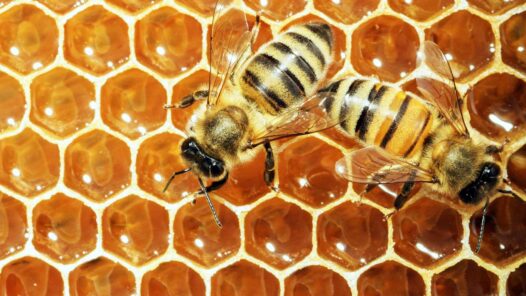
If you make a beeline for something, you’re taking the shortest route possible. You’re also mimicking bee-havior! After a bee has visited enough flowers to gather nectar, she flies straight back to the hive. And: Even a word like...

Chuck in Rutland, Vermont, has heard a phrase several times over the years that left him puzzled. If someone announces it’s late and they’re going to bed, and someone else questions that idea, the retiring one observes, Well, it’s...