Boo, as in my boo for a sweetheart or other loved one, became especially visible in African-American speech and music in the mid-1990s, including in the song “My Boo” by Ghost Town DJs. The term is definitely older than that, though, and may have...


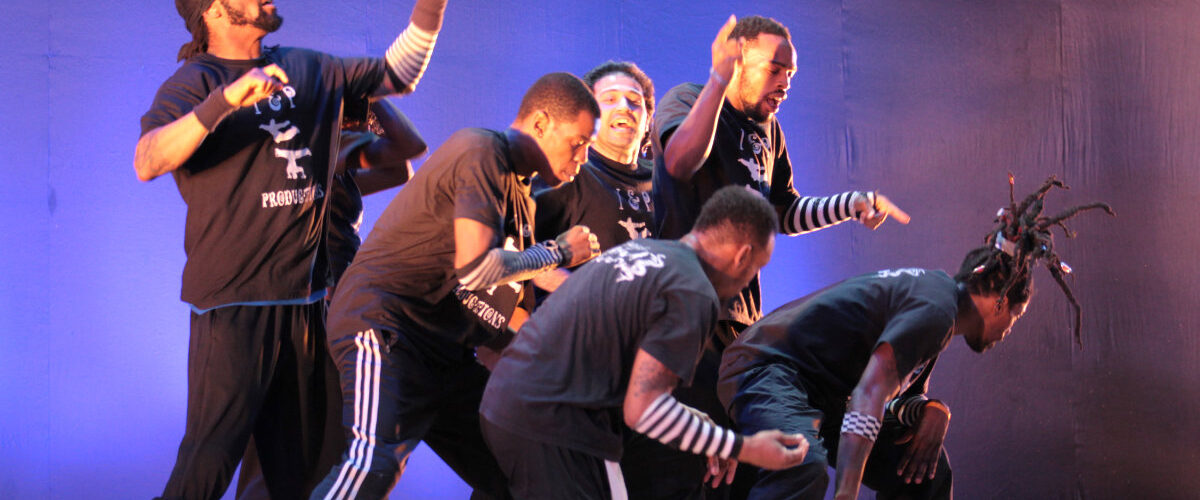
Boo, as in my boo for a sweetheart or other loved one, became especially visible in African-American speech and music in the mid-1990s, including in the song “My Boo” by Ghost Town DJs. The term is definitely older than that, though, and may have...

Conversate, a variation of the word converse, is part of African-American Vernacular English, but with a slightly different meaning. To conversate is “to converse raucously.” This word goes back to at least 1811, and it’s well-known to many African...

Evita, calling from Los Angeles and living in Chula Vista, California, asks about saditty or seditty, an African-American term for someone — usually a woman — who acts stuck-up or as if she’s better than others. The word appears in African-American...

Leanne in Richmond, Virginia, heard sitting high and looking low in a Social Security office, where it seemed to describe an employee acting superior to people waiting for help. The expression is used mostly in African American contexts and is...

Sell wolf tickets, also found as sell woof tickets, means to make loud, boastful threats without much behind them. In African American English, the companion phrase buy wolf tickets means to take those threats seriously. Geneva Smitherman, a...

The phrases “Who let the hawk out?” and “The hawk is flying tonight” both mean “there’s a chilly wind blowing.” This saying is almost exclusive to the African-American community and is associated with that...
