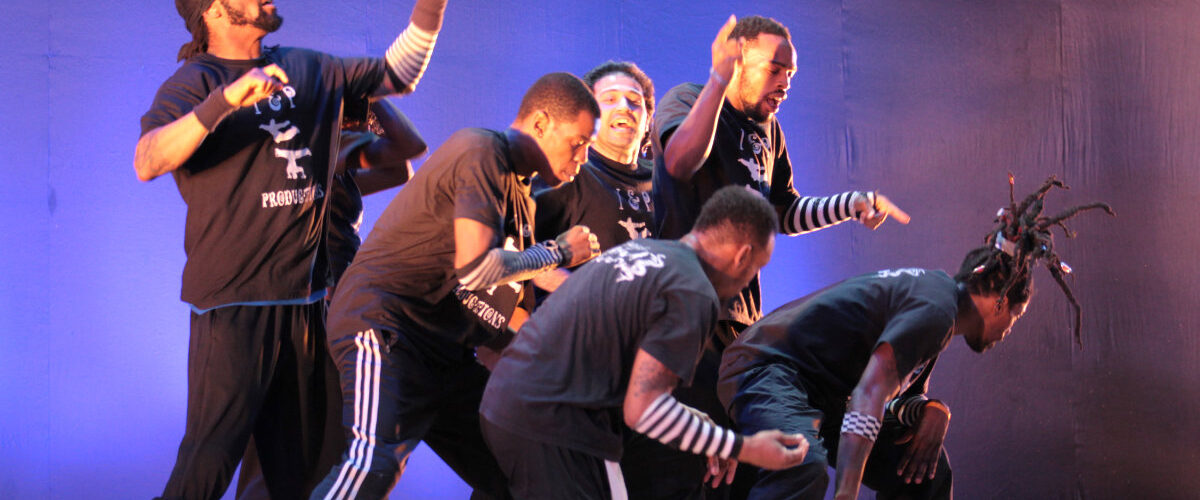
Alan in Columbia, South Carolina, grew up hearing his grandparents ask who wanted to go juking, meaning to ride around, shop a little, eat something, and hang out with no fixed plan. That family use is a tamer cousin of juke or jook, the word behind...
Tracy in Beaufort, North Carolina, says her grandmother, aunts, and uncles used to try to calm down an upset or bossy person with Well, don’t get astorperious! You might debubiate! In the work of Zora Neale Hurston and in Harlem Renaissance slang of...
Praisesong for the Kitchen Ghosts: Stories and Recipes from Five Generations of Black Country Cooks (Bookshop|Amazon) is about the foodways and folkways passed down through five generations of a Black Appalachian family. The book, by novelist and...
In Black English, the word trifling describes a person who lacks ambition or fails to keep promises. Former President Barack Obama used it that way in his memoir Dreams from My Father (Bookshop|Amazon). This is part of a complete episode. Transcript...
Edward in Fargo, North Dakota, wonders about the expression of exasperation, If that doesn’t take the cake, meaning “Well, doesn’t that beat all!” or “Isn’t that a shame!” The origins of this phrase go back more than 200 years, when enslaved black...
Mickey from Austin, Texas, is curious about a phrase his mother uses: Are you smelling what I’m stepping in? meaning “Do you understand what I’m saying?” It likely derives from Black English Do you smell me? and Do you feel me? and is probably...
