

What’s up with ketchup? The shifting history and spelling of the name of this condiment. For centuries, ketchup was a fishy sauce originating in Asia—the tomatoes came only later! Plus, a new book shows what’s lost when a language dies: when there...

Tess from southeastern Pennsylvania wonders about the origins of coleslaw. It comes from Dutch koolsla, meaning simply “cabbage salad.” The cole part shares its root with kale, the cauli in cauliflower, and the kohl in kohlrabi. All these words go...

Diane calls from eastern North Carolina to talk about a phrase her father used if she asked him to repeat something: I never chew my celery twice. He probably conflated the idea of chewing celery with some far more common expressions involving doing...

When plucked from a garden catalog and scattered on a page, the names of flower, fruit, and vegetable seeds can lead to surprisingly sexy poetry. This is part of a complete episode. Transcript of “The Sensual Poetry of Seed Catalogs”...

The Italian phrase Non si frigge mica con l’acqua literally translates as “We don’t fry with water around here,” and means that the speaker doesn’t do things halfway. Quite a few other Italian idioms involve food. One...

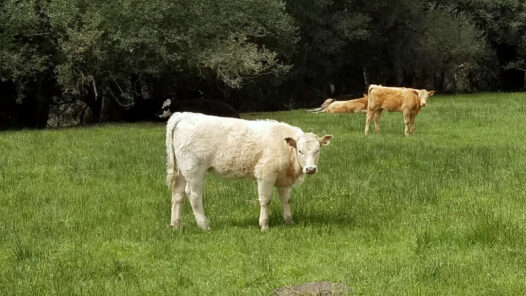
Jane in Austin, Texas, is curious about the expression how the cow ate the cabbage, meaning to give someone a talking-to. This is part of a complete episode. Transcript of “How the Cow Ate the Cabbage” Hello, you have A Way with Words...